



Affordable Hearing Aids for Seniors: Your Complete Guide to Better Hearing at Reasonable Prices
Why Hearing Matters for Senior Wellness
Hearing loss affects one in three people over age 65. Yet many seniors delay seeking solutions due to cost concerns. The good news? Quality, affordable hearing aids are more accessible than ever. This guide explores budget-friendly options that don’t compromise on performance, helping you or your loved ones reconnect with life’s important moments.
Modern hearing aids are smaller, smarter, and significantly more affordable than ever before. Whether you’re looking for basic amplification or advanced digital technology, there’s a solution to fit your needs and budget.
Understanding Hearing Aid Costs
Hearing aid prices vary dramatically based on technology level, features, and brand. Understanding this breakdown helps you make informed decisions:
- Basic Hearing Aids: ₹5,000 – ₹15,000
- Mid-Range Digital: ₹15,000 – ₹35,000
- Premium Devices: ₹35,000+
What Affects Hearing Aid Price?
- Technology Level: Entry-level analog vs. advanced digital processors
- Style Type: Behind-the-ear (BTE) costs less than invisible in-the-ear (ITE) models
- Features: Noise reduction, Bluetooth connectivity, and directional microphones add cost
- Channels: More channels mean better sound customization
- Battery Type: Disposable vs. rechargeable options affect ongoing costs
Affordable Hearing Aid Types
1. Basic Analog Hearing Aids (₹5,000 – ₹15,000)
Simple, reliable, and budget-friendly. Analog aids amplify all sounds equally, making them ideal for mild to moderate hearing loss in quiet environments.
Pros:
- Very affordable
- Durable and long-lasting
- Long battery life
- Simple to use
- Easy maintenance
Cons:
- Less natural sound quality
- No noise reduction
- Poor performance in crowded places
- Requires manual adjustments
2. Entry-Level Digital Aids (₹15,000 – ₹25,000)
A sweet spot for budget-conscious seniors. These offer digital processing without premium pricing, providing better sound quality than analog.
Pros:
- Natural sound quality
- Basic noise reduction
- Automatic adjustment to environment
- Programmable settings
- Better performance in noisy situations
Cons:
- Fewer adjustment options than premium models
- Limited wireless features
- May require battery changes regularly
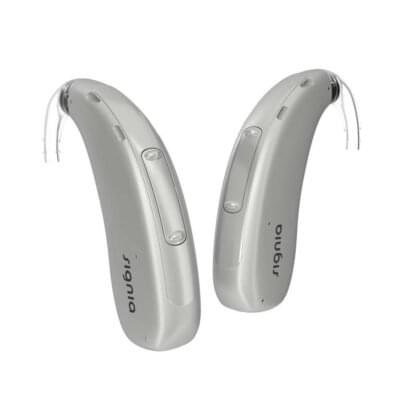
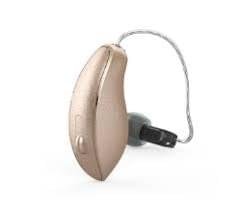
3. Behind-the-Ear (BTE) Models (₹8,000 – ₹20,000)
The most affordable style. Sits behind the ear with a tube directing sound into the ear canal. Popular for budget-conscious buyers and those with dexterity challenges.
Pro Tip: BTE models are often recommended for seniors because they’re easier to handle, adjust, and maintain compared to smaller in-the-ear styles.
4. Rechargeable Options (₹12,000 – ₹30,000)
While sometimes more expensive upfront, rechargeable aids eliminate ongoing battery costs—saving money long-term while being more convenient.
Cost Comparison: What You Get at Each Price Point
| Price Range | Technology | Key Features | Best For |
|---|---|---|---|
| ₹5K-10K | Analog | Basic amplification, manual adjustment | Mild loss, quiet environments, tight budgets |
| ₹10K-15K | Entry Digital | Simple noise reduction, programmable | Mild-moderate loss, minimal features needed |
| ₹15K-25K | Mid-Range Digital | Multiple channels, better noise management, feedback control | Moderate hearing loss, social situations, best affordability-to-feature ratio |
| ₹25K-35K | Advanced Digital | Wireless connectivity, directional microphones, wind noise reduction | Moderate-severe loss, active lifestyles, multiple environments |
| ₹35K+ | Premium Digital | AI processing, smartphone control, superior sound, multiple connectivity options | Severe loss, tech-savvy users, best possible sound quality |
Smart Ways to Afford Quality Hearing Aids
Government Schemes & Subsidies
Many Indian states offer assistance programs for senior citizens:
- ADIP (Assistance to Disabled for buying/fitting of aids) scheme by Ministry of Social Justice
- State-specific pension schemes often include health device assistance
- Senior citizen health insurance sometimes covers hearing aids partially
- Check with local welfare offices for eligibility and application process
Flexible Payment Options
- EMI facilities through banks (0% to 12% interest depending on bank)
- Health store credit cards with easy installment plans
- Direct manufacturer discounts for bulk purchases or loyalty programs
- Trade-in programs: Get discounts when upgrading old hearing aids
- Negotiation & Discounts
- Senior citizen discounts (10-15% common)
- Bundle deals: Buy two hearing aids at discounted rates
- Seasonal sales and year-end promotions
- Loyalty rewards through authorized dealers
Minimize Long-Term Costs
- Warranty coverage: Extended warranties (2-3 years) reduce repair costs
- Maintenance plans: Included cleaning and servicing save money
- Battery options: Rechargeable models eliminate battery replacement costs
Choosing the Right Affordable Hearing Aid
Assessment Checklist
Before buying, ensure you:
- Get a professional audiometry test (usually free at authorized dealers)
- Determine degree of hearing loss (mild, moderate, severe)
- Identify primary situations where you struggle (conversations, TV, crowds)
- Consider lifestyle and environment (active outdoors? mostly indoors?)
- Check dexterity level (can you handle small devices easily?)
Key Questions to Ask
Sound Quality: Does it sound natural? Can you understand speech clearly? Test in quiet and noisy settings.
Comfort & Fit: How long can you wear it comfortably? Does it cause feedback (whistling)? Does sizing feel right?
Warranty & Service: What’s included? How accessible is after-sales service? What’s the trial period?
Operating Ease: Can you adjust volume easily? Are controls intuitive? Is customer support readily available?
Important: Most reputable dealers offer 30-day trial periods. Use this to ensure comfort and satisfaction before committing.
Popular Affordable Hearing Aid Brands in India
These brands offer quality solutions at reasonable prices with good dealer networks across India:
- Widex: Known for affordability and reliability
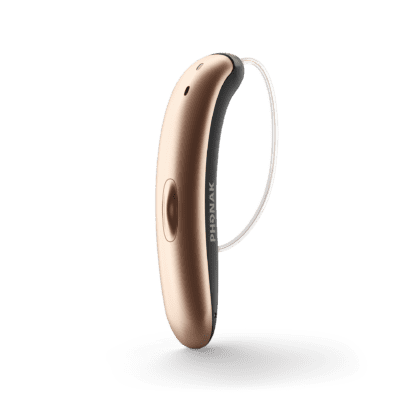
- Phonak: Strong after-sales service, good warranty options
- Siemens/Signia: Wide range of budget-friendly models
- Starkey: Excellent value-for-money options
- GN Store Nord: ReSound brand offers entry-level digital aids
Note: Always buy from authorized dealers to ensure warranty validity and genuine products.
Common Questions About Affordable Hearing Aids
Do cheaper hearing aids really work?
Yes! Entry-level digital aids (₹15,000-25,000) work very well for most people with mild to moderate hearing loss. You’re mainly paying for premium features you may not need, not basic functionality. A ₹20,000 digital aid performs the core function as well as a ₹50,000 model—it just lacks advanced noise reduction and connectivity features.
Can I buy hearing aids online to save money?
Online purchases can offer 10-20% savings, but ensure the seller is authorized and legitimate. You’ll still need a professional audiometry test and fitting. Some online retailers offer trial periods and return policies—always verify these before purchasing.
How long do affordable hearing aids last?
Most quality hearing aids last 5-7 years. Budget models may last 4-5 years with proper care. Regular maintenance and appropriate handling extend lifespan significantly.
Are batteries included, or is that extra cost?
Typically, initial batteries are included. Replacement batteries cost ₹200-500 per pair and last 3-7 days depending on usage. Rechargeable models eliminate this ongoing cost.
What if the hearing aid doesn’t help?
This is why trial periods are crucial. Most authorized dealers offer 30-day trials. If it’s not working, try different styles or brands. Sometimes it takes adjustment—don’t give up immediately.
How do I know if I need a hearing aid?
Signs you might benefit from a hearing aid include:
- Difficulty hearing conversations, especially in noisy environments
- Frequently asking people to repeat themselves
- Feeling isolated in group settings due to hearing difficulty
- Having the TV volume higher than others prefer
- Struggling to hear phone calls or door bells
If you experience any of these, get a free hearing test at an authorized dealer.
Can both ears have different hearing aids?
Yes, many people have different levels of hearing loss in each ear. You can have different hearing aids in each ear, and many dealers offer this flexibility at discounted rates.
What about warranties on budget hearing aids?
Most hearing aids come with 1-2 year manufacturer warranties. Extended warranties (2-3 years) add ₹2,000-5,000 but provide peace of mind. Compare warranty terms carefully.
Tips for Getting the Best Deal
Before You Buy
- Compare prices across multiple dealers – Prices can vary by 10-15% for the same model
- Ask about senior discounts – Most authorized dealers offer 10-15% discounts
- Check for seasonal sales – Year-end and summer sales often offer 15-25% discounts
- Inquire about trial periods – Insist on at least 30 days to test
- Ask about trade-in value – If upgrading, get credit for old devices
Negotiation Points
- Request free professional fitting and adjustment
- Ask for complimentary maintenance for the first year
- Inquire about free battery supply for the first 6 months
- Negotiate warranty terms
- Ask about loyalty programs or referral discounts
Long-Term Value
Calculate total cost of ownership:
- Purchase price
- Battery costs (if not rechargeable) – roughly ₹3,000-6,000 per year
- Maintenance and repairs
- Warranty coverage
- Replacement cycle (every 5-7 years)
- A slightly more expensive digital aid might be cheaper overall due to better features and durability.
Making the Transition to Hearing Aids
Getting Used to Your New Hearing Aid
- Start in quiet environments – Give yourself time to adjust to amplified sound
- Wear it regularly – The more you use it, the faster you’ll adapt
- Join a support group – Connecting with others helps with the transition
- Be patient – Full adjustment typically takes 2-4 weeks
- Follow up with your audiologist – Regular check-ups ensure optimal performance
Care and Maintenance
Proper maintenance extends the life of your hearing aid:
- Clean daily with a soft, dry cloth
- Keep away from moisture (shower, swimming)
- Store in a cool, dry place
- Replace ear molds as needed
- Get professional cleaning every 3-6 months
- Change batteries according to manufacturer guidelines
Government and Financial Assistance Resources
ADIP Scheme Details
The Assistance to Disabled for buying/fitting of aids (ADIP) is a major government program:
- Provides financial assistance up to ₹15,000 for hearing aids
- Eligibility: Those with certified hearing disability
- Process: Apply through local district welfare office
- Documents needed: Medical certificate, disability certificate, income proof
State-Specific Programs
Many states have additional schemes:
- Maharashtra: Pradhan Mantri Suraksha Bima Yojana
- Tamil Nadu: Social Security schemes for seniors
- Gujarat: Senior citizen health assistance programs
- West Bengal: Disability assistance programs
Contact your state’s Social Welfare Department for details.
Health Insurance Coverage
- Some health insurance policies cover hearing aids under disability benefits
- Check with your insurance provider about coverage limits
- Some corporate policies include hearing aid coverage
Red Flags to Avoid
When shopping for hearing aids, be cautious of:
- Unrealistic prices – If it seems too cheap, verify authenticity
- No trial period – Reputable dealers always offer trials
- Pressure to buy immediately – Take time to decide
- No professional fitting – Proper fitting is essential for success
- Unauthorized dealers – Always buy from authorized representatives
- No after-sales service – Ensure warranty and service support are available
- Promises of perfect hearing – Hearing aids improve hearing, not restore it completely
Success Stories
Many seniors have transformed their lives with affordable hearing aids:
Rajesh (68): “I was hesitant due to cost, but with the ADIP scheme subsidy and a 10% senior citizen discount, I got a good quality digital aid for just ₹18,000. Changed my life—can finally hear my grandchildren properly.”
Meera (72): “Switched from expensive premium aids to a mid-range digital model. Honestly, couldn’t tell the difference in sound quality, but saved ₹25,000. Best decision!”
Arjun (75): “Got a rechargeable model for ₹22,000. No more battery hassles, and it lasts longer because it’s charged daily. Worth the extra investment.”
Next Steps: Getting Started
Your Action Plan
- Schedule a free hearing test – Most authorized dealers offer this
- Understand your hearing loss level – Get audiometry results
- Set your budget – Decide what you can comfortably spend
- Research options – Compare brands, styles, and features
- Test multiple devices – Use trial periods to compare
- Check financial assistance – Explore schemes and discounts
- Make your purchase – Choose authorized dealers for authenticity
- Adjust and adapt – Give yourself 2-4 weeks to get comfortable
- Regular follow-ups – Keep appointments for optimization
- Maintain your device – Proper care extends lifespan
Conclusion
Hearing loss doesn’t mean sacrificing quality of life or breaking the bank. With affordable hearing aids ranging from ₹8,000 to ₹35,000, government assistance schemes, flexible payment options, and dealer discounts, quality hearing solutions are within reach for seniors.
The key is understanding your needs, doing proper research, and taking advantage of trial periods. Start with a free hearing test at an authorized dealer—it’s the first step toward reconnecting with the sounds you love.
Don’t let hearing loss isolate you from family, friends, and the world. Affordable, effective solutions are available today.
Get Professional Help
Every person’s hearing needs are unique. Visit an authorized dealer for:
- Free hearing assessment
- Personalized recommendations
- Multiple device trials
- Financial assistance guidance
- Ongoing support and maintenance
Your journey to better hearing starts today.
This article is for informational purposes. Consult with a qualified audiologist for personalized hearing loss assessment and treatment recommendations.