
Understanding Sound Clarity and Its Importance
Sound clarity refers to the crispness and clearness of audio, which allows us to distinguish between different sounds and frequencies with ease. It is the difference between hearing a murmur and understanding a conversation, between enjoying a melody and discerning each instrument in an orchestra. Sound clarity is essential for effective communication, as it enables us to comprehend speech without straining, thereby reducing cognitive load and stress. Additionally, it enriches our experiences with music, movies, and other audio media, enhancing our overall quality of life.
Achieving optimal sound clarity is crucial not only for those with hearing impairments but also for individuals with normal hearing. Poor sound clarity can lead to misunderstandings, frustration, and social withdrawal. In professional settings, it can hinder productivity and collaboration, making it challenging to follow instructions and participate in discussions. Therefore, understanding the factors that affect sound clarity and implementing strategies to improve it can have significant benefits for both personal and professional aspects of life.
Moreover, sound clarity plays a pivotal role in maintaining cognitive health. Studies have shown that individuals with better hearing acuity are less likely to experience cognitive decline. This is because clear auditory input helps stimulate brain activity and keeps neural pathways engaged. Hence, prioritizing sound clarity is not just about enhancing auditory experiences but also about safeguarding mental well-being and ensuring a high quality of life as we age.
Common Causes of Poor Sound Clarity
Several factors can contribute to poor sound clarity, ranging from environmental conditions to physiological issues. One of the most common causes is the presence of background noise. Environments with high levels of ambient noise, such as busy streets, crowded restaurants, or workplaces with constant chatter, can make it difficult to focus on specific sounds. Background noise competes with the primary audio signal, causing it to become muddled and difficult to discern.
Another significant factor is hearing loss, which can be caused by aging, exposure to loud noises, or medical conditions such as ear infections or otosclerosis. As we age, the hair cells in the inner ear that help transmit sound signals to the brain gradually deteriorate, leading to a decline in hearing acuity. Exposure to loud noises, whether from occupational hazards or recreational activities, can also damage these hair cells, resulting in permanent hearing loss. Medical conditions, such as earwax buildup, fluid in the ear, or damage to the auditory nerve, can further impair sound clarity.
Poor sound clarity can also be attributed to the quality of audio equipment. Low-quality speakers, headphones, or microphones can distort sound, making it difficult to hear clearly. Additionally, improper use or placement of audio devices can affect sound transmission. For example, speakers positioned too close to walls or other objects can cause sound reflections and echo, degrading the overall audio quality. Therefore, understanding and addressing these common causes is essential for improving sound clarity and enhancing auditory experiences.
Tips for Enhancing Sound Clarity at Home
Creating an environment that promotes sound clarity at home can significantly improve your auditory experiences. One of the simplest ways to enhance sound clarity is by reducing background noise. This can be achieved by using soft furnishings such as carpets, curtains, and cushions, which help absorb sound and reduce echo. Additionally, closing windows and doors can minimize external noise intrusion, creating a quieter and more conducive listening environment.
Another effective strategy is to optimize the placement of audio equipment. Positioning speakers and sound systems at an appropriate height and distance from walls can help reduce sound reflections and ensure clear sound transmission. Using high-quality audio cables and connectors can also prevent signal loss and interference, resulting in better sound clarity. For those who enjoy watching movies or listening to music, investing in a good quality soundbar or home theater system can provide a more immersive and crystal-clear audio experience.
Regular maintenance and cleaning of audio equipment are also crucial for maintaining sound clarity. Dust and debris can accumulate on speaker grills and headphone earpads, affecting sound quality. Gently cleaning these components with a soft cloth can help maintain optimal performance. Additionally, ensuring that software and firmware updates for audio devices are regularly installed can enhance compatibility and sound quality. By implementing these simple yet effective tips, you can create a home environment that fosters clear and enjoyable auditory experiences.
The Role of Hearing Aids in Improving Sound Quality
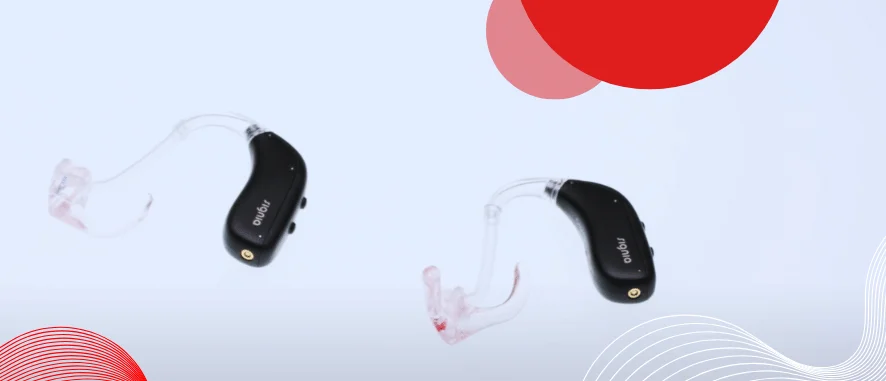
Hearing aids are invaluable tools for individuals with hearing impairments, as they can significantly enhance sound clarity and improve overall hearing experiences. Modern hearing aids are equipped with advanced technology that not only amplifies sound but also filters out background noise, making it easier to focus on specific sounds. This noise reduction feature is particularly beneficial in noisy environments, allowing users to engage in conversations and activities without constant distractions.
One of the key advancements in hearing aid technology is the use of directional microphones. These microphones can distinguish between sounds coming from different directions, prioritizing sounds from the front while reducing noise from the sides and back. This directional focus helps users hear more clearly in social settings and crowded places. Additionally, many hearing aids come with customizable settings that allow users to adjust the sound profile based on their preferences and the environment they are in, providing a tailored and comfortable listening experience.
Bluetooth connectivity is another feature that enhances the functionality of hearing aids. It allows users to connect their hearing aids to smartphones, televisions, and other audio devices, streaming sound directly to their ears. This direct streaming eliminates the need for intermediary devices and ensures high-quality audio transmission. Furthermore, many modern hearing aids are compatible with smartphone apps that offer additional controls and features, such as remote volume adjustment and sound environment selection, giving users more control over their hearing experience. By leveraging these advanced features, hearing aids can play a crucial role in improving sound clarity and enhancing the quality of life for individuals with hearing impairments.
Choosing the Right Audio Equipment for Better Sound
Selecting the right audio equipment is essential for achieving optimal sound clarity. Whether you are an audiophile or simply enjoy good sound quality, investing in high-quality audio devices can make a significant difference. One of the first considerations when choosing audio equipment is the type of speakers or headphones that best suit your needs. For home audio systems, floor-standing speakers or bookshelf speakers are excellent choices, as they offer a wide soundstage and rich audio reproduction. For personal listening, over-ear headphones provide better sound isolation and comfort compared to in-ear or on-ear models.
Another important factor is the frequency response range of the audio equipment. This range indicates the spectrum of frequencies that the device can reproduce, from the lowest bass notes to the highest treble sounds. A wider frequency response range generally results in better sound clarity and detail. Additionally, the sensitivity and impedance of the speakers or headphones can affect their performance. Higher sensitivity means that the device can produce louder sound with less power, while lower impedance ensures compatibility with a broader range of audio sources.
Amplifiers and DACs (Digital-to-Analog Converters) are also crucial components that can enhance sound quality. An amplifier boosts the audio signal, providing more power to drive the speakers or headphones, resulting in clearer and more dynamic sound. A DAC converts digital audio signals into analog form, ensuring accurate and high-fidelity sound reproduction. When choosing audio equipment, it is essential to consider the compatibility and synergy between these components to achieve the best possible sound clarity. By carefully selecting and investing in the right audio equipment, you can elevate your listening experiences to new heights.
Environmental Factors Affecting Sound Clarity
Environmental factors can have a significant impact on sound clarity, influencing how sound is transmitted and perceived. One of the primary environmental factors is room acoustics. The size, shape, and materials of a room can affect how sound waves travel and interact with surfaces. Rooms with hard surfaces, such as tile floors and bare walls, tend to create more echo and reverberation, which can muddle sound clarity. On the other hand, rooms with soft furnishings, such as carpets, curtains, and upholstered furniture, help absorb sound and reduce echo, resulting in clearer audio.
Another environmental factor is the presence of background noise. External noise sources, such as traffic, construction, or household appliances, can interfere with sound clarity by masking or distorting the primary audio signal. To minimize the impact of background noise, it is essential to create a quiet listening environment. This can be achieved by using soundproofing materials, such as acoustic panels, double-glazed windows, and door seals. Additionally, strategically placing speakers and seating away from noise sources can help reduce the intrusion of unwanted sounds.
Temperature and humidity levels can also affect sound clarity. Sound waves travel differently in varying temperature and humidity conditions, which can influence their speed and absorption. In general, sound travels faster and more efficiently in warmer and more humid environments. However, extreme temperature and humidity fluctuations can cause audio equipment to malfunction or degrade in performance. Therefore, maintaining a stable and comfortable indoor climate is essential for preserving sound clarity and ensuring the longevity of audio devices. By addressing these environmental factors, you can create an optimal listening environment that enhances sound clarity and overall auditory experiences.
The Impact of Technology on Hearing Clarity
Advancements in technology have revolutionized the way we experience sound, significantly improving hearing clarity and accessibility. One of the most notable technological innovations is the development of digital signal processing (DSP) in audio devices. DSP technology allows for precise manipulation of audio signals, enabling features such as noise reduction, echo cancellation, and sound equalization. These enhancements contribute to clearer and more intelligible sound, especially in challenging listening environments.
Another impactful technology is the use of artificial intelligence (AI) in hearing aids and audio equipment. AI algorithms can analyze and adapt to different sound environments in real-time, automatically adjusting settings to optimize sound clarity. For example, AI-powered hearing aids can distinguish between speech and background noise, amplifying the former while suppressing the latter. This ability to dynamically adjust to changing auditory conditions ensures a more natural and comfortable listening experience for users.
Wireless connectivity and streaming capabilities have also played a significant role in improving hearing clarity. Bluetooth technology enables seamless integration between hearing aids, headphones, and other audio devices, allowing for direct streaming of high-quality sound. This eliminates the need for intermediary devices and reduces signal loss, resulting in clearer audio transmission. Additionally, the proliferation of smart devices and apps has made it easier for users to control and customize their audio settings, further enhancing sound clarity and personalization. By embracing these technological advancements, individuals can achieve better hearing clarity and enjoy a richer and more immersive auditory experience.
Regular Hearing Check-ups: Why They Matter
Regular hearing check-ups are essential for maintaining good hearing health and ensuring optimal sound clarity. Just as we schedule routine check-ups for our overall health, it is important to include hearing assessments in our healthcare regimen. Hearing check-ups can help detect early signs of hearing loss or other auditory issues, allowing for timely intervention and treatment. Early detection is crucial, as untreated hearing loss can lead to further deterioration and negatively impact communication, cognitive function, and quality of life.
During a hearing check-up, an audiologist will conduct a series of tests to evaluate your hearing acuity and identify any potential problems. These tests may include pure-tone audiometry, which measures your ability to hear different frequencies and volumes, and speech audiometry, which assesses your ability to understand speech in various listening conditions. The results of these tests provide valuable insights into your hearing health and help determine the most appropriate course of action, whether it be the use of hearing aids, medical treatment, or lifestyle changes.
In addition to diagnosing hearing issues, regular check-ups allow for the monitoring and management of existing conditions. For individuals who already use hearing aids or other assistive devices, follow-up visits are important to ensure that the devices are functioning properly and that any necessary adjustments are made. Audiologists can also provide guidance on maintaining and caring for hearing devices, as well as offer tips for optimizing sound clarity in different environments. By prioritizing regular hearing check-ups, you can take proactive steps towards preserving your hearing health and enjoying clear and effective communication.
Lifestyle Changes for Better Hearing Health
Adopting a healthy lifestyle can have a positive impact on your hearing health and contribute to better sound clarity. One of the most important lifestyle changes is protecting your ears from excessive noise exposure. Prolonged exposure to loud noises, whether from occupational settings, concerts, or personal audio devices, can cause permanent damage to your hearing. Wearing ear protection, such as earplugs or noise-canceling headphones, in noisy environments can help safeguard your ears from harmful noise levels.
Maintaining a balanced diet and staying hydrated are also essential for good hearing health. Nutrients such as vitamins A, C, and E, as well as minerals like magnesium and zinc, play a crucial role in maintaining the health of the auditory system. These nutrients help protect the delicate structures of the inner ear from oxidative stress and inflammation. Incorporating a variety of fruits, vegetables, whole grains, and lean proteins into your diet can provide the necessary nutrients for optimal hearing function. Additionally, staying hydrated helps maintain the fluid balance in the inner ear, which is important for sound transmission.
Regular physical activity can also contribute to better hearing health. Exercise improves blood circulation, ensuring that the auditory system receives an adequate supply of oxygen and nutrients. Activities such as walking, jogging, and swimming can help enhance cardiovascular health and support the overall function of the auditory system. Additionally, managing stress through relaxation techniques, such as meditation and yoga, can reduce the risk of stress-related hearing issues, such as tinnitus. By making these lifestyle changes, you can support your hearing health and enjoy clearer and more effective communication.
Conclusion and Next Steps for Improved Sound Clarity
Achieving crystal clear hearing is a multifaceted process that involves understanding the importance of sound clarity, addressing common causes of poor sound quality, and implementing practical tips and strategies. By creating a conducive listening environment, optimizing the use of audio equipment, and leveraging advanced technologies, you can enhance your auditory experiences and enjoy clearer sound in various settings. Regular hearing check-ups and adopting a healthy lifestyle further contribute to maintaining good hearing health and ensuring optimal sound clarity.
As you embark on your journey towards better hearing clarity, it is important to stay informed and proactive. Keep up with the latest advancements in hearing technology and audio equipment, and seek professional guidance when needed. Whether you are considering hearing aids, upgrading your audio system, or making lifestyle changes, taking deliberate steps towards improving your hearing can have a profound impact on your quality of life.
Remember that hearing health is an integral part of overall well-being, and prioritizing it can lead to more enjoyable and meaningful interactions with the world around you. By unlocking the secrets to crystal clear hearing, you can enhance your communication, cognitive function, and overall auditory experiences, making every conversation and sound a pleasure.

Leave a Comment
Your email address will not be published. Required fields are marked *