
If you or someone you love has been told their hearing test results are normal — yet they still struggle to hear clearly — you may be dealing with functional hearing loss. It’s a confusing and often frustrating condition, but understanding it is the first step toward getting the right support.
This guide breaks down everything you need to know about functional hearing loss: the causes, symptoms, diagnosis, and practical solutions that can genuinely improve quality of life.
What Is Functional Hearing Loss?
Functional hearing loss (also called non-organic hearing loss or psychogenic hearing loss) refers to a hearing difficulty that cannot be fully explained by a physical or structural problem in the ear. Unlike sensorineural or conductive hearing loss — which are caused by damage to the hair cells, auditory nerve, or ear structures — functional hearing loss shows little to no measurable abnormality on standard audiological tests.
In simple terms, the ears and auditory system appear physically intact, yet the person genuinely struggles to process or respond to sound. This is not the same as pretending or faking — most people with functional hearing loss are experiencing real difficulty, even if the origin is rooted in psychological, emotional, or neurological factors rather than structural damage.
Functional hearing loss is sometimes referred to as:
- Pseudohypacusis
- Non-organic hearing loss (NOHL)
- Hysterical deafness (an outdated term)
- Psychogenic hearing loss
Types of Functional Hearing Loss
There are two broad categories of functional hearing loss:
- Voluntary (Feigned) Hearing Loss In rare cases, a person may consciously exaggerate or simulate hearing difficulties. This can occur in medico-legal situations, military contexts, or to gain perceived benefits. This is not the most common presentation and should be assessed carefully without judgment.
- Involuntary (True) Functional Hearing Loss Far more common, this occurs when a person is not consciously aware that psychological or emotional factors are affecting their ability to hear or process sound. The experience is entirely real to them. Stress, trauma, anxiety, and unresolved emotional conflict are common contributors.
Functional Hearing Loss vs. Other Types of Hearing Loss
Understanding the difference between functional hearing loss and other types helps clarify why standard hearing aids alone may not be a complete solution.
Conductive Hearing Loss occurs when sound cannot efficiently travel through the outer or middle ear due to blockages, fluid, or structural issues. It is often treatable medically or surgically.
Sensorineural Hearing Loss results from damage to the inner ear (cochlea) or auditory nerve. It is the most common permanent form of hearing loss and is often managed with hearing aids or cochlear implants.
Mixed Hearing Loss is a combination of both conductive and sensorineural components.
Functional Hearing Loss differs in that the physical mechanisms of hearing are largely intact. The breakdown happens at a cognitive, psychological, or central processing level.
Central Auditory Processing Disorder (CAPD) is sometimes grouped alongside functional hearing loss. In CAPD, the ears work normally but the brain has difficulty interpreting sounds correctly — particularly in noisy environments.
Who Does Functional Hearing Loss Affect?
Functional hearing loss can affect people of all ages, though it is more commonly identified in:
Children and teenagers: Particularly those experiencing academic pressure, bullying, family stress, or emotional difficulties. Children may present with sudden hearing loss with no physical cause.
Adults under significant psychological stress: Work-related burnout, grief, trauma survivors, or people with anxiety disorders may develop functional hearing loss.
Military veterans and workers in high-noise occupations: Some individuals in these groups may unconsciously amplify hearing complaints due to previous noise exposure, stress, or anxiety about their hearing health.
It is important to approach functional hearing loss with empathy. The person experiencing it is not lying or seeking attention — they are dealing with a real and often distressing condition.
Causes and Risk Factors
The exact cause of functional hearing loss varies by individual, but common contributors include:
Psychological trauma: Adverse childhood experiences, post-traumatic stress disorder (PTSD), and emotional abuse can manifest as physical symptoms, including hearing difficulties.
Chronic stress and anxiety: Prolonged activation of the body’s stress response can interfere with sensory processing, including how sound is perceived and interpreted.
Depression: Depression is known to affect sensory perception and can make sounds feel muffled, distant, or harder to process.
Conversion disorder: A condition in which psychological distress converts into neurological symptoms — including sudden hearing loss — without a detectable organic cause.
Secondary gain: Unconsciously, a person may develop hearing loss symptoms if those symptoms serve a psychological purpose — for example, avoiding a stressful situation or gaining support from others.
Social and environmental factors: School phobia, domestic difficulties, and social isolation can all play a role in triggering functional symptoms.
Signs and Symptoms of Functional Hearing Loss
The symptoms of functional hearing loss can be subtle or dramatic depending on the individual. Common signs include:
- Inconsistent hearing ability (hearing better in some situations than others without clear explanation)
- Difficulty hearing in quiet settings but performing better in noisy environments (opposite of typical hearing loss patterns)
- Reporting hearing loss that is much worse than test results suggest
- Sudden onset of hearing loss after a stressful life event
- No physical findings in the ear on examination
- Normal or near-normal audiogram results despite significant self-reported difficulty
- Selective hearing — struggling to hear certain people but not others
- Hearing loss that fluctuates day to day without a physical reason
It is worth noting that functional hearing loss can co-exist with genuine organic hearing loss. Some people have a real underlying hearing impairment that is then amplified by psychological factors.
How Is Functional Hearing Loss Diagnosed?
Diagnosing functional hearing loss requires a thorough audiological evaluation combined with a psychosocial assessment. A skilled audiologist or ENT specialist will look for inconsistencies between subjective complaints and objective test results.
Key diagnostic tools include:
Pure Tone Audiometry: Measures hearing thresholds across frequencies. In functional hearing loss, results are often inconsistent or show thresholds much worse than expected.
Speech Audiometry: Tests how well a person can understand and repeat words. People with functional hearing loss often perform better on this test than their pure tone results would predict.
Otoacoustic Emissions (OAEs): Measures sound produced by the inner ear in response to audio stimulation. If the OAEs are normal, the cochlea is functioning, which may indicate a functional component.
Auditory Brainstem Response (ABR): An objective test that measures the brain’s electrical response to sound, independent of the patient’s cooperation. This is particularly useful in identifying functional hearing loss in children.
Stenger Test: A specific test used to detect exaggerated or feigned hearing loss in one ear.
Tympanometry: Assesses middle ear function. Normal results combined with reported hearing difficulty can support a functional diagnosis.
Psychological and psychiatric assessment may also be recommended to identify underlying stressors, trauma, or mental health conditions contributing to the symptoms.
Treatment and Management Options
Because functional hearing loss has roots in psychological or emotional factors, treatment is typically multidisciplinary, combining audiological support with mental health care.
- Audiological Counselling and Rehabilitation An audiologist can work with patients to improve their confidence in their hearing, address listening strategies, and provide reassurance about their auditory health. In many cases, when patients are told their ears are physically healthy, symptoms begin to improve.
- Cognitive Behavioural Therapy (CBT) CBT is one of the most effective psychological treatments for functional symptoms. It helps individuals identify and reframe unhelpful thought patterns about their hearing and manage underlying anxiety or stress.
- Speech and Language Therapy For children and adults who have developed compensatory communication strategies due to perceived hearing loss, speech-language therapy can help rebuild natural listening and communication skills.
- Stress Management and Mindfulness Techniques including breathing exercises, mindfulness meditation, and progressive muscle relaxation can reduce the physiological stress response that may be contributing to symptoms.
- Family and School Involvement (for Children) In paediatric cases, addressing the root cause in the child’s environment — whether it is school anxiety, family conflict, or social difficulties — is often a key part of recovery.
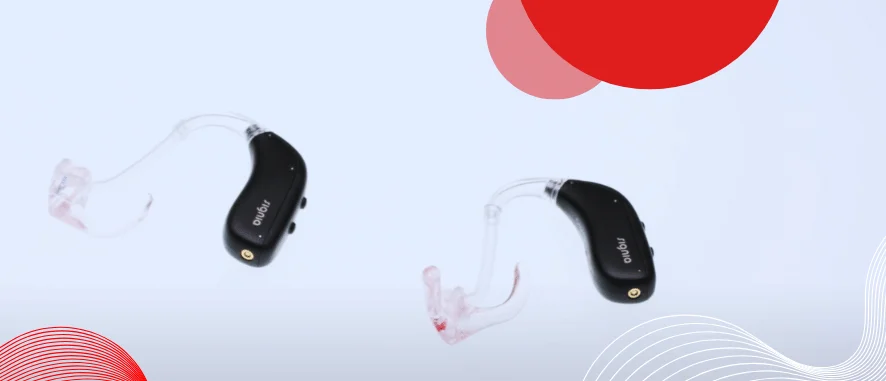
- Hearing Aids and Assistive Devices In cases where functional hearing loss coexists with genuine organic hearing impairment, hearing aids may be part of the management plan. However, they are unlikely to resolve purely functional symptoms on their own. Selecting the right hearing device with the guidance of a qualified audiologist ensures that any real auditory component is properly supported.
Living With Functional Hearing Loss
For those navigating functional hearing loss, day-to-day life can be challenging — particularly in social and professional settings. Here are some practical strategies that can help:
Communicate openly: Let friends, family, and colleagues know that you are experiencing hearing difficulties so they can adjust the way they speak to you — facing you when talking, speaking clearly, and reducing background noise.
Optimise your listening environment: Reduce background noise at home and at work. Position yourself close to the speaker in group settings. Choose quieter venues for important conversations.
Use visual cues: Lip reading and reading facial expressions can significantly improve comprehension, especially when hearing is inconsistent.
Seek professional support promptly: The earlier functional hearing loss is identified and addressed, the better the outcomes. Delaying assessment can allow unhelpful coping patterns to become entrenched.
Be kind to yourself: Functional hearing loss is a recognised condition. It does not mean something is “all in your head” in a dismissive sense — it means that your body is responding to real stress or emotional burden. Recovery is possible with the right support.
When to See a Professional
You should seek a professional assessment if:
- You or your child experience sudden hearing loss with no obvious cause
- Hearing difficulties are inconsistent or hard to explain
- There is a mismatch between how much you struggle to hear and what tests have shown
- Hearing loss developed after a significant life event or period of emotional stress
- Standard hearing aid use has not provided the expected benefit
An audiologist is your first port of call. They can conduct a full evaluation and refer you to the appropriate specialists — whether that is an ENT consultant, a psychologist, or a multidisciplinary hearing clinic.
Choosing the Right Hearing Support
Whether you are managing functional hearing loss alongside an organic hearing impairment, or supporting a family member through the process, getting access to quality hearing care and the right devices matters.
At Earmart, we believe that hearing health is about more than just the technology in your ear — it is about understanding your unique situation and finding the right solution for your life. Our range of audiologist-recommended hearing aids and assistive listening devices is designed to support a wide variety of hearing needs, and our team is here to guide you every step of the way.
If you are unsure whether you need a hearing aid, or want to explore options that complement an ongoing hearing rehabilitation programme, browse our range or speak to our hearing care team for personalised guidance.
Final Thoughts
Functional hearing loss is a real, recognised, and treatable condition. It sits at the intersection of audiology and psychology, and it deserves to be taken as seriously as any other form of hearing difficulty. With the right professional support — and a compassionate approach from those around you — recovery and improved hearing function are entirely achievable.
If something doesn’t feel right about your hearing, trust that instinct. Seek an assessment, ask questions, and explore all available options. Your hearing health is worth it.

This is a very informative explanation of functional hearing loss, especially the distinction between genuine hearing difficulties and what standard hearing tests may show. I appreciate the emphasis on taking the person’s experience seriously rather than dismissing it. The section on diagnosis and the role of audiologists is particularly helpful. Great resource for anyone trying to better understand unexplained or inconsistent hearing difficulties.