
What is Otosclerosis?
Otosclerosis is a condition that affects the bones of the middle ear, leading to progressive hearing loss. Specifically, it involves the abnormal bone growth around the stapes, one of the tiny bones in the middle ear. This abnormal bone growth interferes with the vibrations necessary for sound transmission, resulting in conductive hearing loss. In some cases, otosclerosis can also affect the cochlea, leading to sensorineural hearing loss, which complicates the condition further.
This disorder is relatively common, impacting about 0.5% to 1% of the general population. Though it can affect anyone, it is often diagnosed in individuals between the ages of 15 and 45, with a higher prevalence in women. Otosclerosis progresses slowly, and without timely intervention, it can significantly impact the quality of life.
Understanding otosclerosis is key to managing its effects and maintaining hearing health. By learning about the anatomy of the ear, the causes, symptoms, and available treatments, individuals can proactively address the condition and seek appropriate medical help.
The Anatomy of the Ear and Otosclerosis
To grasp how otosclerosis affects hearing, it is essential to understand the basic anatomy of the What is Otosclerosis?
Otosclerosis is a condition that affects the bones of the middle ear, leading to progressive hearing loss. It primarily involves abnormal bone growth around the stapes, one of the tiny bones in the middle ear that plays a crucial role in sound transmission. This abnormal growth can cause the stapes to become fixed or less mobile, preventing it from vibrating properly and thus disrupting the normal process of hearing. Otosclerosis is considered a common cause of hearing loss in young adults.
The term “otosclerosis” is derived from the Greek words “oto,” meaning ear, and “sclerosis,” meaning hardening. This aptly describes the condition where bony tissue in the ear hardens or becomes sclerotic. This hardening can lead to varying degrees of conductive hearing loss, where the transmission of sound waves from the outer ear to the inner ear is impeded. While it can affect one ear (unilateral) or both ears (bilateral), the progression and severity of otosclerosis can differ significantly from person to person.
Understanding otosclerosis requires a deeper look into the complex anatomy of the ear and how this condition disrupts normal auditory function. By examining the underlying mechanisms, we can better appreciate the challenges faced by those living with this condition and explore the avenues available for diagnosis and treatment.
The Anatomy of the Ear and Otosclerosis
To fully grasp the impact of otosclerosis, it’s essential to understand the basic anatomy of the ear and how each part contributes to the hearing process. The ear is divided into three main sections: the outer ear, the middle ear, and the inner ear. Each of these sections plays a vital role in the transmission and interpretation of sound waves.
The outer ear consists of the pinna (the visible part of the ear) and the ear canal. Sound waves are collected by the pinna and funneled through the ear canal to the eardrum (tympanic membrane). The middle ear, located behind the eardrum, contains three tiny bones known as the ossicles: the malleus (hammer), incus (anvil), and stapes (stirrup). These bones are responsible for amplifying and transmitting sound vibrations from the eardrum to the inner ear.
The inner ear contains the cochlea, a spiral-shaped organ filled with fluid, and tiny hair cells that convert sound vibrations into electrical signals. These signals are then transmitted to the brain via the auditory nerve, allowing us to perceive sound. In otosclerosis, the abnormal bone growth occurs around the stapes, causing it to become immobile. This immobility impairs the transmission of sound vibrations from the middle ear to the inner ear, leading to hearing loss.
The intricate relationship between these components highlights how even a slight disruption, such as the fixation of the stapes, can significantly impact hearing. By understanding this anatomy, we can better appreciate the challenges posed by otosclerosis and the importance of timely diagnosis and treatment to preserve and restore hearing function.
Causes of Otosclerosis
The exact cause of otosclerosis remains somewhat elusive, but it is believed to result from a combination of genetic, environmental, and hormonal factors. Research suggests that otosclerosis is often hereditary, with many individuals having a family history of the condition. In fact, it is estimated that up to 50% of otosclerosis cases have a genetic component, indicating a strong familial link.
Environmental factors may also play a role in the development of otosclerosis. Some studies have suggested that certain viral infections, such as measles, may trigger or exacerbate the condition. Measles virus has been found in the bones of the middle ear in people with otosclerosis, suggesting a possible link between the infection and the onset of abnormal bone growth. Additionally, fluctuations in hormone levels, particularly during pregnancy, have been associated with the progression of otosclerosis in some women.
Another potential cause of otosclerosis involves autoimmune mechanisms. Some researchers believe that the body’s immune system may mistakenly attack the bones of the middle ear, leading to abnormal bone remodeling and hardening. This autoimmune hypothesis is supported by the presence of certain immune system markers in individuals with otosclerosis, although more research is needed to confirm this theory.
While the precise causes of otosclerosis are not fully understood, it is clear that the condition results from a complex interplay of genetic, environmental, and hormonal factors. Understanding these underlying causes is crucial for developing effective prevention and treatment strategies and for providing better support to those affected by the condition.
Risk Factors Associated with Otosclerosis
Several risk factors have been identified that may increase the likelihood of developing otosclerosis. One of the most significant risk factors is a family history of the condition. If one or both parents have otosclerosis, their children are at a higher risk of developing the condition. This hereditary aspect underscores the importance of genetic factors in the development of otosclerosis.
Gender also plays a role in the prevalence of otosclerosis. Women are more likely to develop the condition than men, with a ratio of approximately 2:1. Hormonal changes, particularly during periods of hormonal fluctuation such as pregnancy, may contribute to this increased risk. Pregnant women with a family history of otosclerosis should be particularly vigilant for any signs of hearing loss, as the condition can progress more rapidly during pregnancy.
Age is another important risk factor. Otosclerosis typically begins to manifest in early adulthood, usually between the ages of 20 and 40. However, it can occur at any age, and the severity of hearing loss can vary widely among individuals. Early diagnosis and intervention are crucial for managing the condition and preventing further hearing loss.
Other potential risk factors include certain viral infections, such as measles, and autoimmune disorders. These factors may contribute to the onset or progression of otosclerosis by triggering abnormal bone remodeling in the middle ear. While these risk factors do not guarantee that an individual will develop otosclerosis, they do highlight the importance of monitoring hearing health, particularly for those with a higher predisposition to the condition.
Symptoms of Otosclerosis
The symptoms of otosclerosis can vary widely among individuals, but the most common and noticeable symptom is progressive hearing loss. This hearing loss typically starts in one ear and may eventually affect both ears. It often begins with difficulty hearing low-pitched sounds or whispers and can gradually worsen over time. People with otosclerosis may find it challenging to follow conversations, especially in noisy environments.
Another common symptom of otosclerosis is tinnitus, which is characterized by a ringing, buzzing, or hissing sound in the ears. Tinnitus can be intermittent or constant and can vary in intensity. While tinnitus is not unique to otosclerosis and can occur with other hearing conditions, its presence alongside progressive hearing loss can be an indicator of otosclerosis.
In some cases, individuals with otosclerosis may experience a sensation of fullness or pressure in the affected ear. This can be accompanied by dizziness or balance issues, although these symptoms are less common. The combination of hearing loss, tinnitus, and potential balance disturbances can significantly impact an individual’s quality of life, making it essential to seek medical attention if these symptoms arise.
Early recognition of these symptoms is crucial for timely diagnosis and intervention. If left untreated, otosclerosis can lead to severe hearing loss and associated complications. Understanding the symptoms and seeking prompt medical evaluation can help individuals manage the condition more effectively and explore appropriate treatment options.
Diagnosing Otosclerosis
Diagnosing otosclerosis involves a combination of medical history evaluation, physical examination, and specialized hearing tests. The process typically begins with a thorough medical history review, where the healthcare provider will inquire about the patient’s symptoms, family history of hearing loss, and any potential risk factors such as viral infections or hormonal changes.
Following the medical history review, a physical examination of the ear is conducted. The healthcare provider will use an otoscope to inspect the ear canal and eardrum for any visible abnormalities. While otosclerosis primarily affects the bones of the middle ear, a normal otoscopic examination does not rule out the condition, as the stapes bone is not directly visible during this examination.
Specialized hearing tests, known as audiometry, play a crucial role in the diagnosis of otosclerosis. Pure-tone audiometry measures an individual’s ability to hear sounds at various frequencies and volumes, helping to determine the degree and type of hearing loss. A bone conduction test may also be performed to assess the transmission of sound vibrations through the bones of the skull. Individuals with otosclerosis typically show a specific pattern of hearing loss, known as a conductive hearing loss, on these tests.
In some cases, additional imaging studies such as a computed tomography (CT) scan may be recommended to visualize the bones of the middle ear and confirm the diagnosis of otosclerosis. These imaging studies can help identify any abnormal bone growth around the stapes and assess the extent of the condition. A comprehensive diagnostic approach ensures an accurate diagnosis and guides the development of an appropriate treatment plan.
Treatment Options for Otosclerosis
The treatment of otosclerosis aims to improve hearing and alleviate symptoms, with options ranging from non-surgical interventions to surgical procedures. The choice of treatment depends on the severity of the condition, the degree of hearing loss, and the individual’s overall health and preferences.
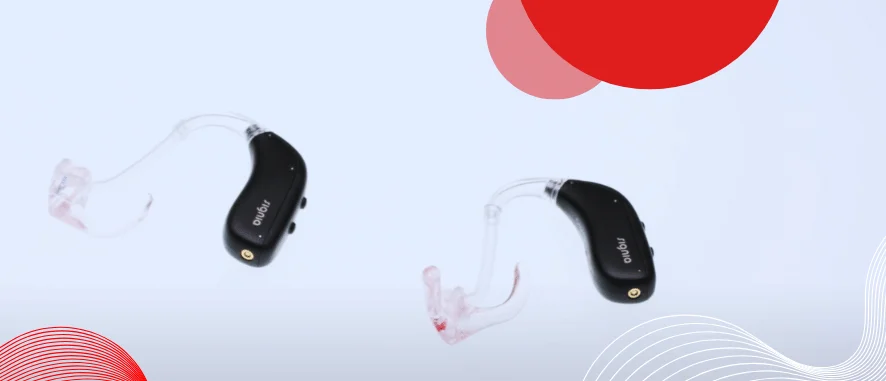
One of the primary non-surgical treatment options for otosclerosis is the use of hearing aids. Hearing aids amplify sound and can significantly improve hearing for individuals with mild to moderate hearing loss due to otosclerosis. Modern hearing aids are highly advanced, offering features such as noise reduction, directional microphones, and wireless connectivity, which enhance their effectiveness and user experience.
For individuals with more severe hearing loss or those who do not benefit from hearing aids, surgical intervention may be recommended. The most common surgical procedure for otosclerosis is stapedectomy, which involves the removal of the immobilized stapes bone and its replacement with a prosthetic device. This procedure aims to restore the mobility of the ossicles and improve sound transmission to the inner ear. Stapedectomy has a high success rate and can significantly improve hearing in most cases.
Another surgical option is stapedotomy, a variation of stapedectomy. In stapedotomy, a small hole is created in the immobilized stapes bone, and a prosthetic device is inserted to allow sound vibrations to pass through. Both stapedectomy and stapedotomy are typically performed under local or general anesthesia, and the choice of procedure depends on the surgeon’s expertise and the specific characteristics of the patient’s condition.
In some cases, medical therapy with fluoride supplements may be considered to slow the progression of otosclerosis. Fluoride is thought to stabilize bone metabolism and reduce further abnormal bone growth. However, the effectiveness of fluoride therapy is still debated, and it is not widely used as a primary treatment option.
The Role of Hearing Aids in Otosclerosis Management
Hearing aids play a crucial role in managing otosclerosis, particularly for individuals with mild to moderate hearing loss. These devices work by amplifying sound, making it easier for individuals with hearing loss to hear and understand speech. Modern hearing aids are sophisticated and can be customized to meet the specific needs of each user, providing a significant improvement in quality of life.
One of the key benefits of hearing aids is their ability to enhance speech understanding in various listening environments. Many hearing aids come equipped with advanced features such as directional microphones, which help focus on sounds coming from a specific direction while reducing background noise. This is particularly beneficial in noisy environments, where individuals with hearing loss often struggle to follow conversations.
Wireless connectivity is another valuable feature of modern hearing aids. Many devices can connect to smartphones, televisions, and other audio sources via Bluetooth, allowing users to stream audio directly to their hearing aids. This feature enhances the listening experience and provides greater convenience, particularly for phone calls and media consumption.
Hearing aids can also be programmed to suit the individual’s specific hearing loss profile. Audiologists use specialized software to adjust the settings of the hearing aids based on the results of hearing tests, ensuring optimal amplification and sound quality. Regular follow-up appointments with the audiologist allow for fine-tuning and adjustments as needed, ensuring that the hearing aids continue to meet the user’s needs over time.
While hearing aids do not cure otosclerosis, they offer a valuable solution for managing hearing loss and improving communication. For many individuals with otosclerosis, hearing aids provide the necessary support to maintain an active and fulfilling lifestyle.
Lifestyle Changes and Home Remedies
Living with otosclerosis often requires making certain lifestyle changes and incorporating home remedies to manage symptoms and improve overall well-being. While these approaches do not cure the condition, they can complement medical treatments and help individuals cope with the challenges of hearing loss.
One of the most important lifestyle changes for individuals with otosclerosis is protecting their hearing from further damage. This includes avoiding exposure to loud noises, using ear protection in noisy environments, and keeping the volume at safe levels when using headphones or earphones. Protecting the ears from excessive noise can help prevent additional hearing loss and preserve remaining hearing function.
Effective communication strategies are also essential for individuals with otosclerosis. This may involve informing family, friends, and colleagues about the hearing loss and requesting accommodations such as speaking clearly, facing the person when talking, and reducing background noise during conversations. Using assistive listening devices, such as amplified telephones and personal amplifiers, can also enhance communication and make daily interactions more manageable.
Certain home remedies may help alleviate symptoms associated with otosclerosis. For example, practicing relaxation techniques such as deep breathing, meditation, or yoga can help reduce stress and anxiety, which can exacerbate tinnitus. Maintaining a healthy diet and staying physically active can also contribute to overall well-being and improve the body’s ability to cope with the condition.
Regular check-ups with an audiologist or ear specialist are crucial for monitoring the progression of otosclerosis and adjusting treatment plans as needed. Staying informed about the condition and exploring support groups or counseling services can provide valuable emotional support and practical advice for managing the challenges of living with otosclerosis.
Conclusion: Living with Otosclerosis and Seeking Help
Living with otosclerosis can be challenging, but with the right support and treatment, individuals can effectively manage the condition and maintain a good quality of life. Understanding the causes, risk factors, and symptoms of otosclerosis is the first step in recognizing the condition and seeking appropriate medical care.
Timely diagnosis and intervention are crucial for managing otosclerosis and preventing further hearing loss. Whether through the use of hearing aids, surgical procedures, or lifestyle changes, there are various treatment options available to help individuals with otosclerosis hear better and improve their overall well-being. Collaborating with healthcare professionals, including audiologists and ear specialists, ensures that individuals receive the most appropriate and effective care for their specific needs.
Support from family, friends, and support groups can also play a significant role in coping with the challenges of otosclerosis. Sharing experiences, seeking advice, and staying informed about the latest research and treatment options can provide valuable insights and encouragement. By taking proactive steps to protect hearing, communicate effectively, and manage symptoms, individuals with otosclerosis can lead fulfilling lives and continue to engage in the activities they enjoy.
If you or someone you know is experiencing symptoms of otosclerosis, it is essential to seek medical attention promptly. Early intervention can make a significant difference in managing the condition and preserving hearing function. With the right approach and support, living with otosclerosis becomes a journey of adaptation and resilience, empowering individuals to navigate the challenges and embrace the possibilities of improved hearing health.

Leave a Comment
Your email address will not be published. Required fields are marked *